What Is Plastic Yarn?
Plastic yarn refers to any yarn made from plastic-derived polymers, including:
Recycled plastic yarn (rPET from bottles)
Virgin polyester yarn
Nylon yarn
Polypropylene yarn
Acrylic yarn
Bulky plastic yarn (for crafts and decor)
These materials sit within the broader category of synthetic fibers and are common in modern textiles.
How Is Plastic Converted Into Textile Yarn?
Plastic yarn production varies by polymer type, but yarn from recycled plastic typically follows this process:
1. Plastic Waste Collection
Most commonly PET bottles, packaging waste, and food containers.
2. Sorting & Cleaning
Plastics are segregated, washed, and contaminants removed.
3. Shredding into Flakes
Clean plastic is cut into uniform flakes suitable for extrusion.
4. Melting & Extrusion
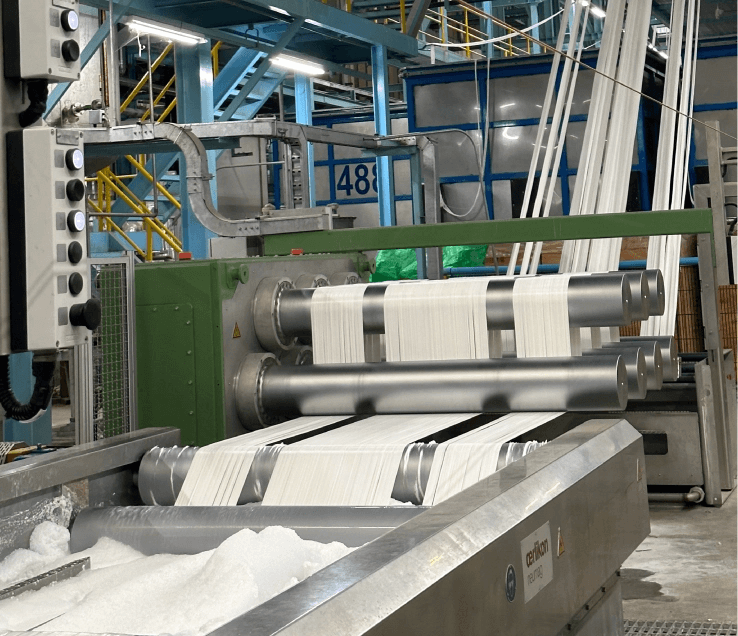
Flakes are melted and pushed through spinnerets to form continuous filaments.
5. Cooling & Drawing
Filaments are stretched to orient polymer chains, improving strength.
6. Crimping (Optional)
Adds texture for staple fiber applications.
7. Cutting or Winding
Filaments are either chopped into staple fiber or wound as filament yarn.
This explains how plastic yarn is produced, especially how recycled plastic yarn is made.
What Kinds of Yarn Are Made from Plastic?
Plastic-based yarn categories include:
rPET yarn
Virgin polyester yarn
Nylon (polyamide) yarn
Acrylic yarn
Polypropylene yarn (PP)
Bulky plastic yarn (used in crafting with plastic yarn projects)
All of these contribute to textiles made from PET bottles, carpets, outdoor fabrics, and apparel.
What Are the Common Uses of Yarn Made from Plastic?
Yarn products made from plastic appear in:
Clothing made from plastic yarn
Activewear & sportswear
Industrial geotextiles
Rope, webbing & seat belts
Upholstery & home furnishings
Outdoor gear
Rugs and mats
DIY crafts and macramé
Thus plastic materials are deeply integrated across both industrial textiles and sustainable fashion using plastic yarn.
Environmental Benefits of Using Plastic Yarn
Key benefits include:
Reduces landfill waste
Supports circular economy models
Lowers reliance on virgin petroleum
Diverts ocean-bound plastics
Reduces CO₂ footprint compared to virgin polyester
These outcomes highlight the benefits of using plastic yarn when compared with non-recycled synthetic fibers.
Is Recycled Plastic Yarn Eco-Friendly?
Recycled plastic yarn (rPET) is significantly more sustainable than virgin polyester because it:
Uses less energy
Avoids new petroleum extraction
Repurposes waste materials
Reduces microplastic shedding compared to cheaper synthetics
This addresses that plastic yarn is eco-friendly and plastic yarn is sustainable.
Plastic Yarn vs Cotton Yarn: Key Property Differences
Property | Plastic Yarn (Polyester/rPET) | Cotton Yarn |
Moisture Management | Low absorbency | High absorbency |
Strength | High | Moderate |
Durability | Very high | Moderate |
UV Resistance | Strong (outdoor-friendly) | Weak |
Biodegradability | Very low | Excellent |
Thermal Behavior | Melts at high heat | Burns |
Stretch Recovery | Strong | Moderate |
This is central to plastic yarn vs cotton yarn properties and explains why plastic-based yarn is widely used in performance wear.
Types of Plastic Polymers Used for Yarn Manufacturing
Common polymers include:
PET (polyethylene terephthalate) → rPET yarn
PP (polypropylene)
PA (nylon)
PAN (acrylic)
PVC (limited usage due to toxicity concerns)
These are the building blocks of most synthetic fibers.
Recycled Plastic Bottle Yarn Production Process (rPET)
1. Bottle to flake conversion
2. Flake to chip re-polymerization
3. Chip to filament melt spinning
4. Drawing, texturing & finishing
This is the core method behind textiles made from PET bottles and yarn from recycled plastic.
What Are the Challenges in Manufacturing Yarn from Plastic Waste?
Key challenges include:
Contamination in waste streams
Color variability
Degradation of polymer quality
Higher processing costs
Microplastic shedding
Limited biodegradability
These challenges affect how the industry evaluates environmentally friendly plastic yarn and its long-term circularity.
Health Implications of Wearing Fabrics Made from Plastic Yarn
Research suggests potential concerns:
Microplastic shedding during wear
Heat retention
Lower breathability
Possible chemical residues in poorly regulated supply chains
However, high-quality rPET and certified sustainable fashion using plastic yarn standards help mitigate these issues.
Difference Between rPET Yarn and Virgin Polyester
Feature | rPET Yarn | Virgin Polyester |
Raw Material | Recycled plastic waste | New petroleum |
Energy Use | Lower | Higher |
CO₂ Emissions | Lower | Higher |
Strength | Comparable | High |
Environmental Impact | Much lower | High |
This helps clarify rPET yarn vs polyester for consumers and sustainability professionals.
Is Yarn Made from Plastic Durable for Outdoor Use?
Yes. Plastic yarn—especially polyester, nylon, and polypropylene—is:
UV resistant
Mold/mildew resistant
Strong under abrasion
Moisture-resistant
This makes it ideal for industrial applications of plastic yarn such as tarps, ropes, sails, and outdoor upholstery.
Is Recycled Plastic Yarn More Eco-Friendly Than Wool or Cotton?
In many cases, yes, because recycled plastic:
Uses waste instead of new resources
Has significantly lower water consumption
Reduces landfill & ocean waste
Creates durable, long-lasting textiles
However, biodegradability remains a challenge.
FAQ SECTION
1. Can yarn be made from plastic?
Yes—plastic polymers are melted, extruded, and spun into yarn filaments.
2. Is plastic yarn eco-friendly?
Recycled plastic yarn is significantly more sustainable than virgin synthetic fibers.
3. What is yarn from recycled plastic used for?
Clothing, upholstery, ropes, outdoor fabrics, and crafting with plastic yarn.
4. Can plastic yarn be recycled?
Yes—rPET yarn can re-enter recycling loops depending on purity and infrastructure.
5. Is plastic yarn durable?
Extremely durable, especially for outdoor and performance applications.
References
https://circle-economy.com
https://plastics-recycling.org
https://fiberworld.com
https://fibre2fashion.com
Liked it? Share it with your people.


Disclaimer
The information provided in this blog is intended solely for educational and informational purposes within the textile industry. While the content references technical concepts, sizing and desizing practices, and general chemical information, it does not constitute professional, commercial, or operational advice for any specific textile process or production environment.
Process conditions, chemical selections, and operational parameters may vary significantly across mills, machinery types, fabric constructions, and environmental constraints. Readers should always consult qualified technical professionals, internal laboratory data, and product-specific Technical Data Sheets before making any decisions related to textile processing.
Any references to Alpenol, Sizaltex, or other products are included only for contextual, educational, and illustrative purposes and should not be interpreted as endorsements, recommendations, or guarantees of performance. The authors assume no responsibility for decisions made based on the information contained herein.