What Is Bamboo Yarn Exactly?
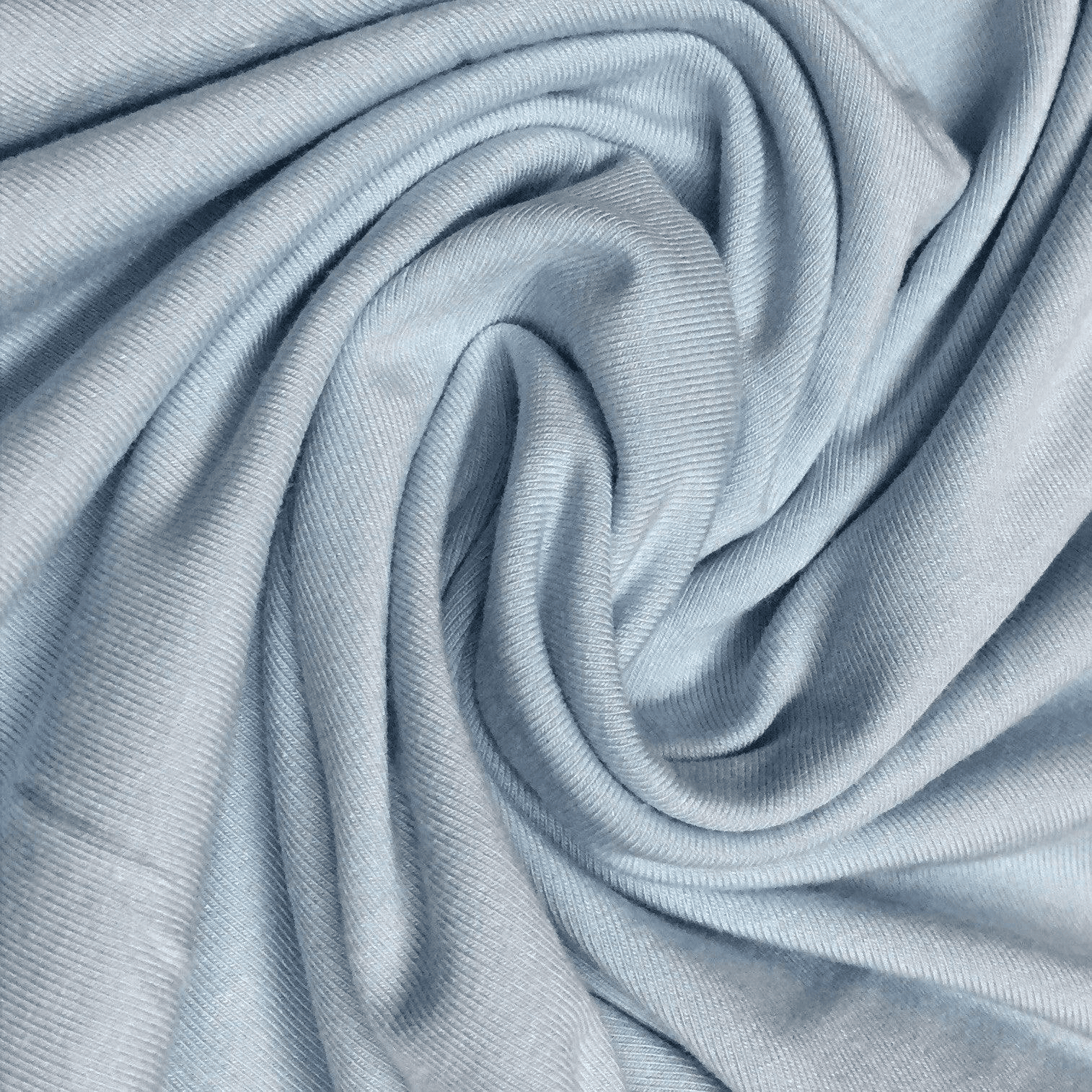
Bamboo yarn is a textile fiber derived from the cellulose of bamboo plants. It can be processed into soft, breathable, biodegradable yarn used for apparel, home textiles, and knitting applications. As part of bamboo yarn production, bamboo fibers undergo controlled extraction steps to convert tough plant material into spinnable fibers. This positions bamboo among leading sustainable yarn options in the global market.
What Raw Materials Are Needed for Bamboo Yarn?
The primary raw material is the bamboo stalk, specifically fast-growing species like Phyllostachys edulis (Moso bamboo). The inner structure contains:
Cellulose (used for spinning bamboo rayon or lyocell)
Hemicellulose
Lignin
Pectin
Natural oils and waxes
These components determine how fiber is made from plants and directly influence how bamboo yarn contributes to sustainable fashion.
What Is the Process of Making Bamboo Fiber Into Yarn?
The process varies depending on the production method. Bamboo yarn is made through:
Mechanical (Bast Fiber) Process
Chemical (Viscose Bamboo) Process
Lyocell Bamboo (Closed Loop) Process
Bamboo-Cotton Blend Yarn Production
All methods fall under the broader textile manufacturing process and contribute to the evolving yarn-making industry.
What Are the Two Main Methods for Making Bamboo Yarn?
1. Mechanical Bamboo Fiber (Bast Fiber) Method
(Most similar to traditional linen/hemp processing)
How is bamboo yarn produced mechanically?
Harvesting bamboo stalks
Cutting and crushing to expose inner bast
Retting using natural enzymes to break pectin bonds
Washing & combing to remove woody parts
Carding into slivers
Drawing & roving
Spinning into yarn
This method creates coarse, linen-like bamboo fiber and is considered one of the most eco-friendly ways in how natural fibers are made.
2. Chemical Bamboo Fiber (Viscose Bamboo) Method
(Most common form: bamboo viscose or bamboo rayon)
What are the steps to make bamboo rayon yarn?
Bamboo chip preparation
Cooking & alkali treatment to convert bamboo into pulp
Cellulose dissolution into a viscose solution
Filtration & deaeration
Wet spinning extruded filaments
Drawing orientation
Cutting into staple or keeping as filament
This explains how bamboo yarn is produced at scale and why bamboo yarn production often falls under regenerated cellulose manufacturing.
3. Lyocell Bamboo Yarn
(Inspired by TENCEL™ process)
Steps to process bamboo stalks into textile fibers (Lyocell route):
Mechanical crushing
Pulp dissolution in a non-toxic solvent
Closed-loop recovery of solvent
Extrusion into filament
Washing & finishing
Cutting to staple or texturizing filament
This process is considered one of the most advanced technological innovations in fabric production because of its high recovery efficiency and lower environmental impact.
Bamboo Pulp Preparation for Yarn Production
Pulp preparation is essential for both viscose and lyocell bamboo. Typical steps:
Bamboo chipping
Alkali digestion or solvent pulping
Delignification
Bleaching (elemental chlorine-free in sustainable mills)
Sheet pressing
This explains how to make bamboo yarn from raw bamboo through controlled pulp refinement.
Bamboo Yarn vs Cotton Yarn Manufacturing Process Differences
Process Stage | Bamboo | Cotton |
Raw Material | Bamboo stalk | Cotton boll |
Fiber Extraction | Mechanical, viscose, or lyocell process | Ginning |
Pulping | Required for viscose/lyocell | Not required |
Fiber Length Uniformity | More uniform | Variable |
Environmental Footprint | Depends on method | High water & pesticide usage |
Feel & Properties | Smooth, breathable | Strong, durable |
This showcases how bamboo yarn production differs from cotton and why bamboo is considered a leading eco-textile.
Is Bamboo Yarn Production Sustainable and Eco-Friendly?
This depends on the method:
Most sustainable
Mechanical bamboo fiber
Lyocell bamboo (closed-loop)
Moderate
Certified bamboo viscose (FSC-approved pulp)
Least sustainable
Conventional viscose without environmental controls
These differences explain how bamboo yarn impacts the environment and why responsible production methodologies matter.
Chemicals Used in Bamboo Yarn Production Methods
Mechanical Bamboo
Minimal enzymes
Water
Natural microbial retting
Viscose Bamboo
Sodium hydroxide
Carbon disulfide
Sulfuric acid
Bleaching agents
(Modern mills use safer, controlled systems.)
Lyocell Bamboo
Non-toxic organic solvent (amine oxide)
Understanding chemical use helps explain how eco-friendly textiles are made and how bamboo compares to synthetic yarn.
How Is Bamboo Rayon Yarn Dyed and Finished?
Dyeing bamboo rayon typically follows the regenerated cellulose pathway:
Reactive dyes
Direct dyes
Vat dyes (in controlled systems)
Low-salt dyeing technologies
Eco-friendly dye auxiliaries for higher colorfastness
This also relates to what is the process of making dyed bamboo yarn in large mills.
Are There Different Types of Bamboo Yarn?
Yes - manufacturers produce several types:
100% Bamboo Yarn
Bamboo viscose
Bamboo lyocell
Bamboo bast fiber
Bamboo Blends
Bamboo-cotton
Bamboo-modal
Bamboo-polyester
Spun vs Filament Bamboo Yarn
Spun = staple fiber
Filament = continuous, silky
These address what are the different types of yarn within bamboo families.
Technique for Creating Bamboo Blend Yarn
Blending bamboo with cotton enhances:
Strength
Absorbency
Comfort
Cost efficiency
Technique:
Open and blend fibers in a controlled ratio
Carding and drawing for uniformity
Roving to align fibers
Ring or rotor spinning
Some mills use specialized sizing strategies when weaving bamboo-cotton blends to stabilize warp behavior; this is where sizing agents like Alpenol are occasionally applied depending on blend characteristics.
How Is Fine Bamboo Yarn Made?
Fine bamboo yarn (used for premium apparel and knitting) typically involves:
High-purity pulp
Tight spinneret holes
Multiple drawing stages
Controlled filament texturing
Soft-finish conditioning
This also explains how to produce bamboo yarn for knitting and crochet-grade applications.
What Certifications Ensure Sustainable Bamboo Yarn?
Look for:
OEKO-TEX Standard 100
FSC (Forest Stewardship Council) for bamboo pulp
GOTS (for bamboo-cotton blends)
RCS (Recycled Claim Standard)
EU Ecolabel (for viscose/lyocell mills)
These help consumers understand how bamboo yarn contributes to sustainable fashion responsibly.
FAQ’s
1. How is bamboo yarn produced?
Through mechanical, viscose, or lyocell methods.
2. What raw materials are needed for bamboo yarn?
Bamboo stalk cellulose, enzymes, or solvents depending on the method.
3. Is bamboo yarn sustainable?
Mechanical and lyocell bamboo are most sustainable; viscose bamboo varies by mill standards.
4. What are the benefits of bamboo yarn?
Softness, breathability, biodegradability, and moisture-wicking properties.
5. Are bamboo blends common?
Yes - especially bamboo-cotton blends used in apparel and home textiles.
6. Do bamboo yarns require sizing?
Yes, bamboo yarns generally require sizing when used as warp yarns in the weaving process, as their smooth surface and relatively lower cohesion can lead to abrasion and breakage at high loom speeds.
7. What are the advantages of sizing bamboo yarn?
Using advanced, eco-friendly sizing solutions like those developed by Alpenol helps improve bamboo yarn strength, reduce hairiness, and ensure smooth weaving efficiency while maintaining sustainability standards.
References
WellFabric – Bamboo into Fabric (Mechanical/Viscose/Lyocell Processes),
https://wellfabric.com/bamboo-into-fabric/
Slideshare – Bamboo Fibre Manufacturing Process Techniques,
https://www.slideshare.net/slideshow/bamboo-fibre-manufacturing-process-techniques/275478361
ScienceDirect – Bamboo Fibre: Sustainable Solution for Textiles,
https://www.sciencedirect.com/science/article/pii/S2773139124000338
Sewport – Bamboo Fabric Properties & Production,
https://sewport.com/fabrics-directory/bamboo-fabric
Sivana Spirit – Bamboo Viscose vs Lyocell (Eco-Comparison),
https://www.sivanaspirit.com/blogs/sivana/bamboo-viscose-vs-lyocell
YouBamboo – Bamboo vs Cotton Environmental Impact,
https://youbamboo.com/blogs/youbamboo/bamboo-vs-cotton-environmental-impact-and-sustainable-choices
Google Patents – CN1600907B Bamboo Fiber Processing Method,
https://patents.google.com/patent/CN1600907B/en
Copenhagen Bamboo – Bamboo Viscose Production Process,
https://copenhagenbamboo.com/pages/bamboo-viscose-production
Textile Focus – Bamboo Fiber Sustainable Alternative to Cotton,
https://textilefocus.com/bamboo-fiber-a-sustainable-alternative-to-cotton/
ScienceDirect – Mechanical Properties of Bamboo Fiber Yarn,
https://www.sciencedirect.com/science/article/pii/S2238785421007432
The Sleepy Sloth – How Bamboo Fabric Made (Chemical Process),
https://thesleepysloth.com/blogs/news/how-is-bamboo-fabric-made
EcoBoo – Bamboo vs Cotton Sustainability Comparison,
https://ecoboo.net/blogs/green-clean/bamboo-vs-cotton-a-comprehensive-comparison-in-sustainability
TextileSphere – Bamboo Fiber Properties Processing Applications,
https://www.textilesphere.com/2020/09/bamboo-fiber.html
Obviously Apparel – Bamboo vs Cotton Fabric Properties,
https://obviouslyapparel.com/blogs/mens-underwear-blog/bamboo-vs-cotton
Liked it? Share it with your people.


Disclaimer
The information provided in this blog is intended solely for educational and informational purposes within the textile industry. While the content references technical concepts, sizing and desizing practices, and general chemical information, it does not constitute professional, commercial, or operational advice for any specific textile process or production environment.
Process conditions, chemical selections, and operational parameters may vary significantly across mills, machinery types, fabric constructions, and environmental constraints. Readers should always consult qualified technical professionals, internal laboratory data, and product-specific Technical Data Sheets before making any decisions related to textile processing.
Any references to Alpenol, Sizaltex, or other products are included only for contextual, educational, and illustrative purposes and should not be interpreted as endorsements, recommendations, or guarantees of performance. The authors assume no responsibility for decisions made based on the information contained herein.