What Is the Role of Warp and Weft in Textile Weaving?
Before understanding the machines, it is important to understand the two yarn systems:
Yarn Type | Direction | Function |
Warp | Lengthwise | Under constant tension |
Weft (Filling yarns) | Crosswise | Inserted one pick at a time |
Warp yarns are sized during the sizing process to withstand friction and high-speed weaving. Weft yarns typically are not sized.
Warp Passage - How Warp Yarns Travel Through the Loom
1. What Is the Weaver’s Beam?
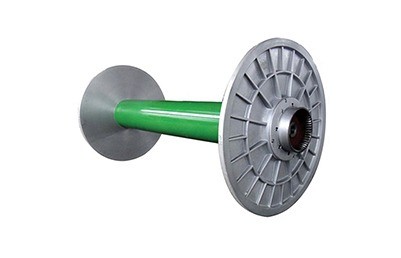
Function:
The weaver’s beam holds the prepared warp sheet.
Mechanical Role:
Supplies warp yarns under controlled tension
Rotates gradually as fabric is produced
Ensures uniform yarn delivery
If warp tension fluctuates, fabric defects such as uneven density in woven fabric may occur.
2. What Is the Back Rest?
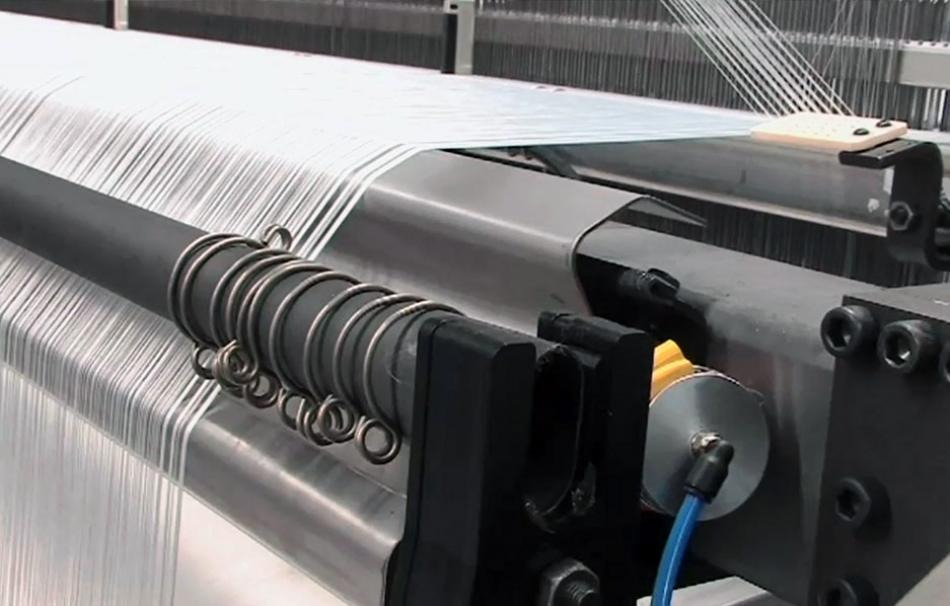
Function:
The back rest is a guiding roller after the weaver’s beam.
Importance:
Equalizes warp tension
Controls warp angle
Stabilizes warp sheet
It helps maintain proper shedding geometry.
3. What Are Drop Pins (Drop Wires)?
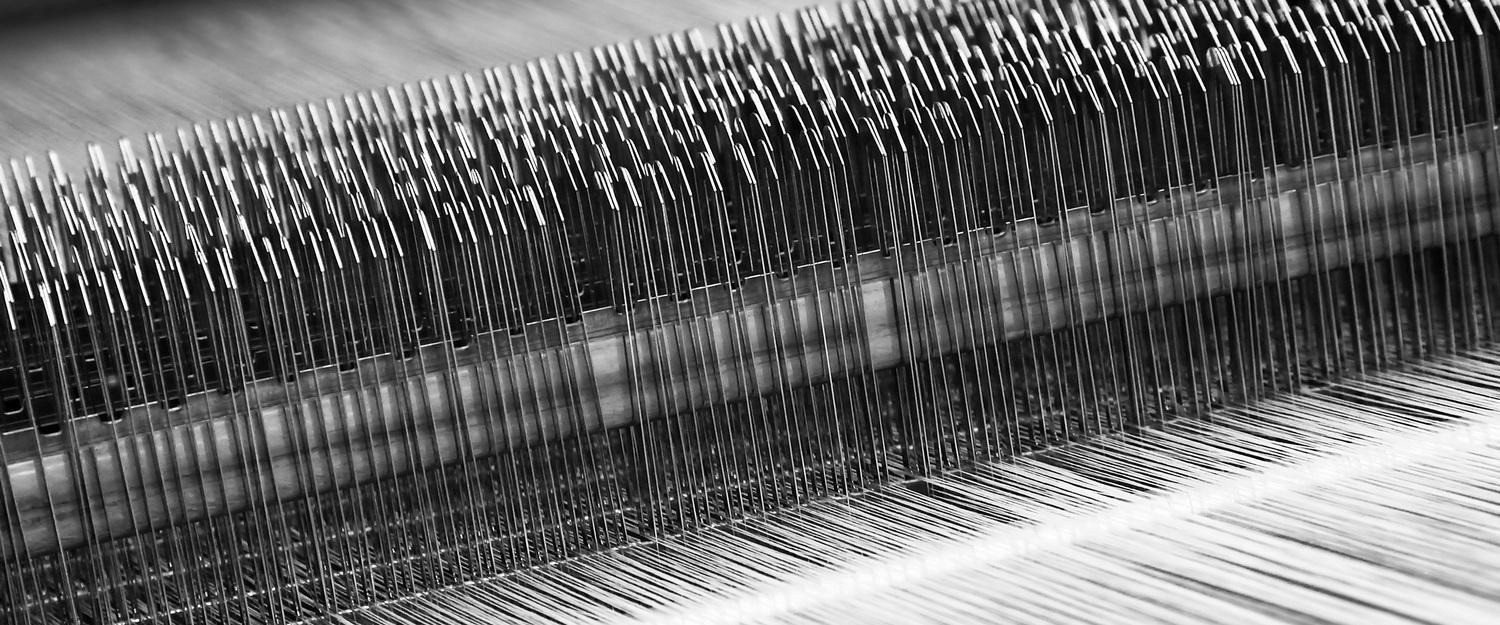
Function:
Drop pins detect warp thread breakage.
Working Principle:
Each warp thread passes through a drop wire
If warp thread breaks → drop wire falls
Machine stops immediately
This protects fabric quality and prevents long defects.
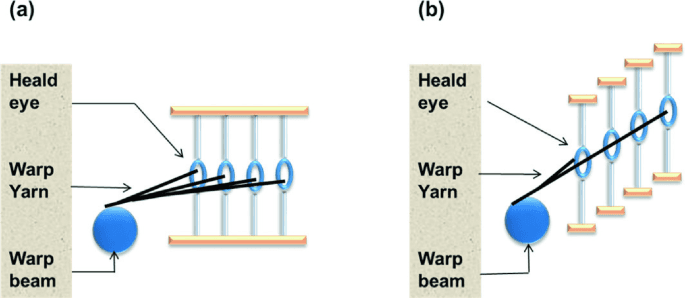
4. What Are Heald Wires (Heald Frames)?
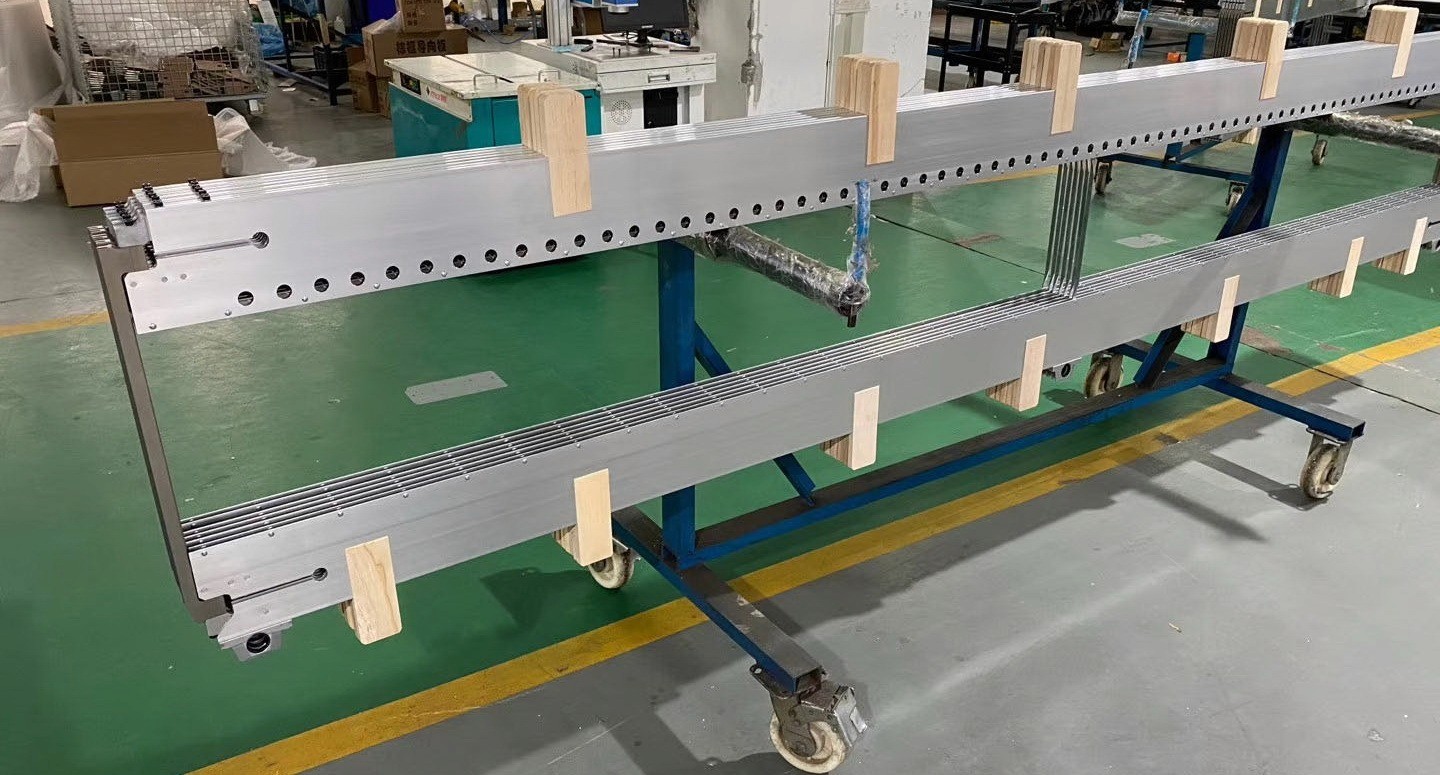
Function:
Heald wires control warp thread movement.
Each warp thread passes through a heald eye.
Role in Weaving Techniques:
Lift or lower warp threads
Create weave structures
Form shedding motion
Different weave patterns such as plain weaving, twill weave, or satin weave pattern depend on heald frame movement.
5. What Is the Reed and Its Function?

Function:
The reed spaces warp threads and beats the weft yarn into position.
Warp threads pass through small gaps called dents.
Importance:
Maintains fabric width
Controls ends per inch (EPI)
Assists in beating-up motion
6. What Is Reed Beating?
Mechanical Action:
After each weft insertion, the reed moves forward.
Purpose:
Pushes the weft threads firmly into fabric
Maintains consistent fabric density
Determines pick per inch (PPI)
Incorrect beating causes loose or tight fabric.
7. How Is Fabric Formed?
At the fell of the cloth, warp and weft interlace.
The interlacement creates different types of weaves:
Plain weave
Twill fabric
Satin fabric
Jacquard fabric
This is where the woven fabric is actually formed.
Weft Passage - How Filling Yarns Travel Through the Loom
1. How Is Fabric Design Decided?
Fabric design is programmed through:
Dobby system
Jacquard loom
Electronic control panel
The weave structure determines:
Warp lifting sequence
Weft insertion timing
Final weave fabric pattern
2. What Is the Weft Cone?
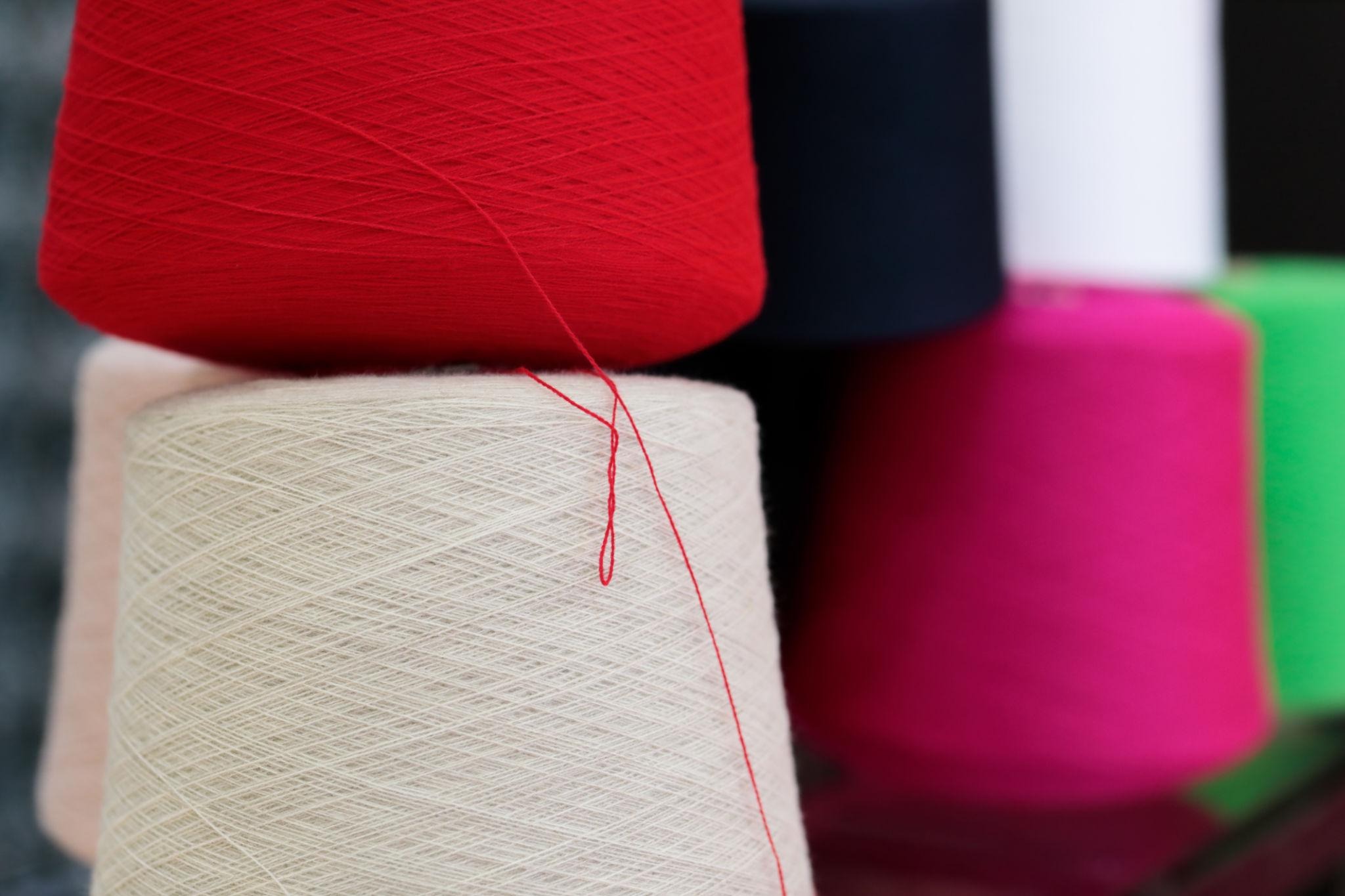
Function:
The weft yarn is supplied from a cone.
Role:
Feeds filling yarn
Ensures continuous weft supply
3. What Is the Pre-Winder?
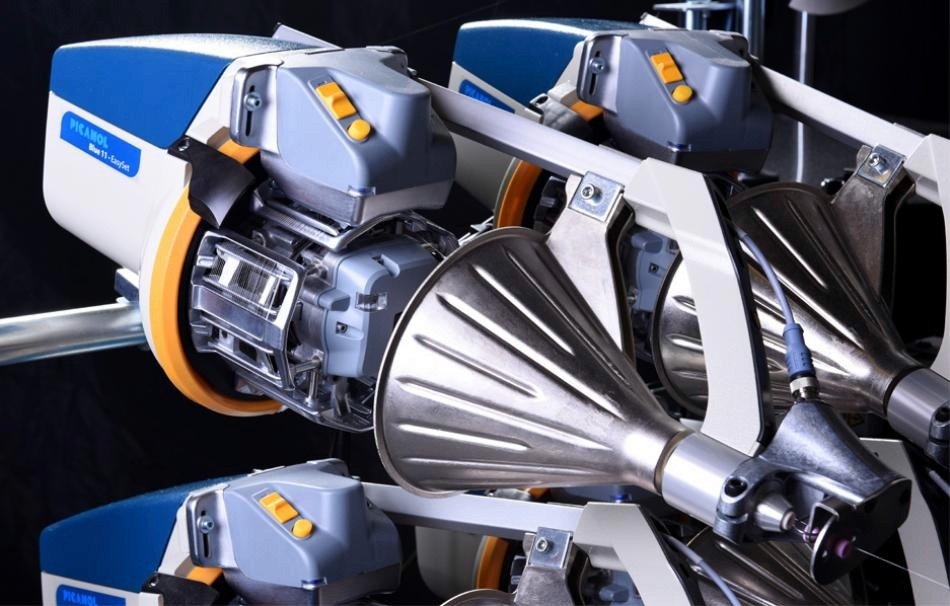
Function:
The pre-winder measures exact weft length.
Importance:
Controls pick length
Prevents yarn waste
Improves insertion precision
4. What Is the Tendon Valve?
Function:
In airjet looms, the tendon valve:
Initiates compressed air flow
Carries weft yarn through shed
It ensures high-speed insertion.
5. What Are Main Valve and Sub Valve?
Main Valve:
Provides primary air pressure.
Sub Valve:
Supports weft travel across full fabric width.
Together they:
Control air pressure
Stabilize weft insertion
Ensure correct filling yarn placement
6. How Does the Weft Reach the Reed?
Compressed air propels weft yarn across the open shed formed by heald wires.
The reed then:
Guides
Aligns
Beats the weft into place
7. Reed Beating and Fabric Formation
Once weft is inserted:
Shed closes
Reed beats weft into position
Fabric advances forward
The take-up motion winds finished fabric onto cloth roller.
Complete Weaving Process Summary
Section | Component | Function |
Warp | Weaver’s Beam | Supplies warp yarn |
Warp | Back Rest | Controls tension |
Warp | Drop Pin | Detects breakage |
Warp | Heald Wire | Controls shedding |
Warp | Reed | Spacing & beating |
Weft | Weft Cone | Supplies filling yarn |
Weft | Pre-Winder | Measures yarn length |
Weft | Valves | Air control |
Final | Reed Beating | Compacts fabric |
Why Warp Preparation Is Critical Before Weaving
High-speed weaving (1200+ picks/min) requires:
Strong warp yarns
Smooth surface
Minimal hairiness
Controlled elongation
This is achieved during the textile sizing process using advanced starch-based compounds.
Properly sized warp yarns reduce:
Loom stoppages
End breakage
Fabric defects
Modern compound sizing agents reduce synthetic dependency while maintaining adhesion and flexibility.
FAQs
What is the weaving process in textiles?
It is the interlacing of warp and weft yarns on a weaving machine to form woven fabric.
What is the difference between warp and weft?
Warp runs lengthwise and is under tension; weft runs crosswise and is inserted pick by pick.
What controls fabric design?
Heald frame movement and dobby/jacquard programming determine weave structures.
What is reed beating?
It is the forward motion of the reed to push weft threads into the fabric.
Why does weaving require sized warp yarn?
To withstand friction and tension during shedding and reed beating.
References
Slideshare: Concepts of Shedding, Picking, and Beat-up in Weaving https://www.slideshare.net/slideshow/23mt02-concepts-of-sheddingpicking-and-beatuppptx/264954690
Study.com: Textile Weaving Process, Methods & Terminology (Shedding, Picking, Beating), https://study.com/academy/lesson/textile-weaving-terminology.html
TextileSchool: Basic Weaving Operations (Shedding, Picking, Beating Up),
https://www.textileschool.com/206/basic-weaving-operations/
YouTube: Weaving Loom Motions (Shedding, Picking, Beating, Let-off, Take-up),
https://www.youtube.com/watch?v=WYB0clbMCTg
Weblessons: Principles of Weaving (Shedding, Picking Mechanisms),
https://weblessons.org/docs/farmdocs/PrinciplesofWeaving.pdf
YouTube: Loom Elements (Weaver’s Beam, Back Rest, Drop Pins, Heald, Reed),
https://www.youtube.com/watch?v=9d3PrzNQw4k
TextileLearner: Different Parts of Loom and Their Functions (Heald Shaft, Reed, Shuttle),
https://textilelearner.net/different-parts-of-loom-and-their-functions/
TextileLearner: Rapier Loom Weft Insertion Mechanism,
https://textilelearner.net/rapier-loom-types-weft-insertion/
CottonWorks: Weaving Basics (Shedding, Warp/Weft Interlacing),
https://cottonworks.com/learning-hub/weaving/weaving-basics/
NPS.gov: How Does Weaving Work? (Primary Motions: Shedding, Picking, Beating),
https://www.nps.gov/articles/000/how-does-weaving-work.htm
RutwikGite Blog: Rapier Weft Insertion System (Gripper, Valves),
https://rutwikgite.blogspot.com/2018/08/rapier-weft-insertion-system.html
YouTube: Shedding, Picking & Beating in Weaving (Tutorial with Diagrams),
https://www.youtube.com/watch?v=T1BHV6kNmwI
Vietextile: Air-Jet Loom Spare Parts (Solenoid Valves, Nozzles, Installation),
https://vietextile.com/en/air-jet-loom-spare-parts-3-installation/
Bhagwati Traders: SS Dropping & Heald Wires for Looms,
https://www.bhagwatitrader.com/ss-dropping-heald-wire.html
Sinotextile: Weaving Loom Parts Catalogue (Jacquard, Rapier Spares),
https://www.sinotextilemachinery.com/uploads/file/weaving-loom-parts-catalogue-jacquard-spare.pdf
ZDHC Wastewater Guidelines (Warp Sizing Context for High-Speed Weaving),
https://downloads.roadmaptozero.com/output/ZDHC-Wastewater-Guidelines
GOTS Implementation Manual (Sustainable Weaving Processes),
https://global-standard.org/images/Implementation_Manual_7.0_Second_Revision_Draft.pdf
OEKO-TEX Standards (Textile Production Compliance),
https://www.oeko-tex.com/en/our-standards/
PMC: Potato Starch as Eco Sizing Agent for Cotton Yarns in Weaving,
https://pmc.ncbi.nlm.nih.gov/articles/PMC6572457/
PMC: Starch Graft Copolymer for Warp Sizing and Easy Removal,
https://pmc.ncbi.nlm.nih.gov/articles/PMC10820382/
PMC: Corn Starch Derivatives for Cotton Yarn Sizing,
https://pmc.ncbi.nlm.nih.gov/articles/PMC7361798/
ACS ES&T: Biodegradable Sizes Replacing PVA in Slashing/Weaving,
https://pubs.acs.org/doi/10.1021/es504988w
Persistence Market Research: Textile Sizing Chemicals Market (Warp Preparation),
https://www.persistencemarketresearch.com/market-research/textile-sizing-chemicals-market.asp
Markets and Markets: Textile Chemicals Market (Sizing for Looms),
https://www.marketsandmarkets.com/Market-Reports/textile-chemical-market-12380328.html
Mordor Intelligence: Textile Chemicals Market Analysis,
https://www.mordorintelligence.com/industry-reports/textile-chemicals-market
Textile Excellence: Textile Chemicals to $33.1B by 2026 (Sizing Impact),
Heuritech: Fabric Innovations 2026 (Weaving Trends),
https://heuritech.com/articles/fashion-fabric-innovations/
Tessuti: Fabric Forecast 2026 (Weave Structures),
Liked it? Share it with your people.


Disclaimer
The information provided in this blog is intended solely for educational and informational purposes within the textile industry. While the content references technical concepts, sizing and desizing practices, and general chemical information, it does not constitute professional, commercial, or operational advice for any specific textile process or production environment.
Process conditions, chemical selections, and operational parameters may vary significantly across mills, machinery types, fabric constructions, and environmental constraints. Readers should always consult qualified technical professionals, internal laboratory data, and product-specific Technical Data Sheets before making any decisions related to textile processing.
Any references to Alpenol, Sizaltex, or other products are included only for contextual, educational, and illustrative purposes and should not be interpreted as endorsements, recommendations, or guarantees of performance. The authors assume no responsibility for decisions made based on the information contained herein.