What Is a Textile Sizing Machine?
A textile sizing machine is a warp-preparation system that coats yarns with a thin film of size material to:
Strengthen yarn
Reduce abrasion
Improve cohesion
Lower end breakage
Enhance weaving efficiency
This machinery is considered essential textile sizing equipment in every weaving mill.
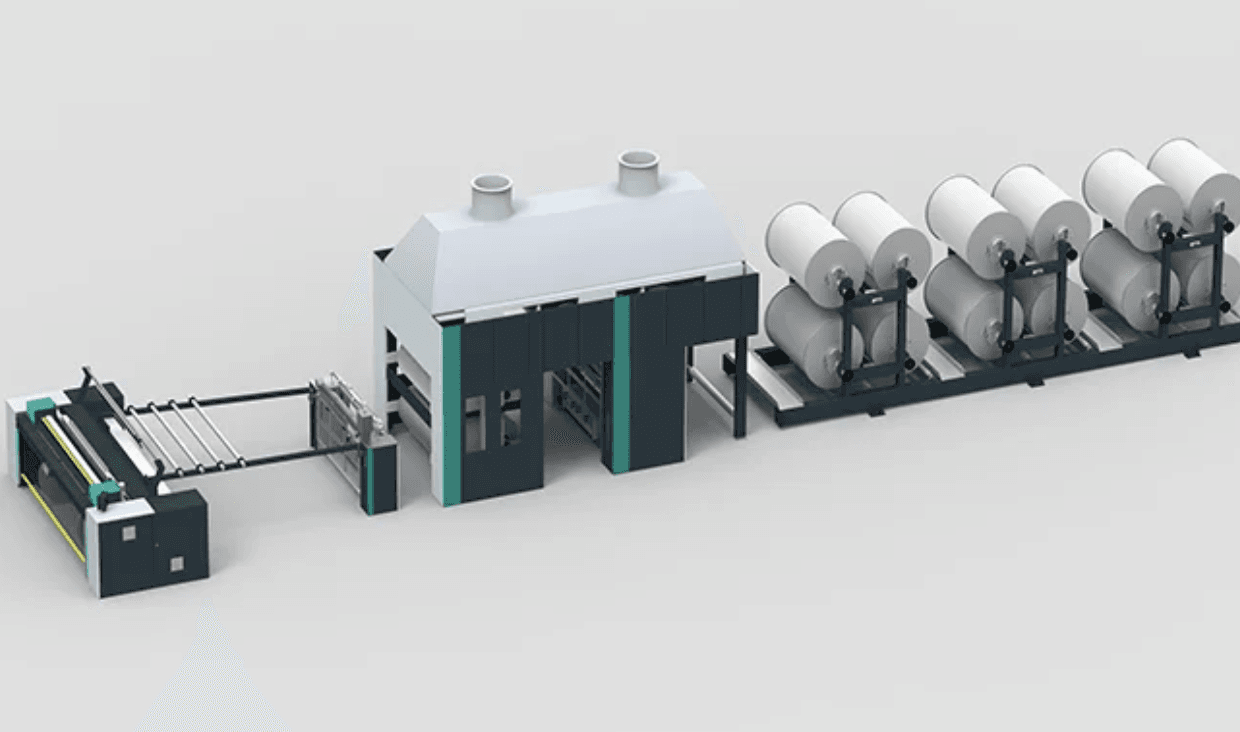
A complete sizing line includes:
Creel or back beams
Size box
Squeezers
Drying cylinders
Stretching zone
Lease rods
Headstock with final weaver’s beam
This machine category has evolved into highly automated, sensor-based industrial-grade sizing machines for textiles.
How Do Sizing Machines Work in Textiles?
The working principle behind How do sizing machines work in textiles? involves the following sequence:
Step-by-Step Process
Warp Feeding from Creel
Back beams unwind yarn under controlled tension.Immersion in Size Box
Yarns pass through size paste, ensuring uniform wet pick-up.Squeezing
Squeeze rollers adjust size add-on and remove excess slurry.Drying Section
Steam-heated cylinders evaporate moisture and fix the size film.Stretching / Heat-Setting
Controlled stretch ensures dimensional stability.Cooling Zone
Avoids over-drying and brittleness.Winding to Weaving Beam
Fully prepared warp is wound as a uniform beam ready for weaving.
This explains the operational foundation of sizing machines for textiles used across global mills.
To learn more about sizing click here.
What Types of Yarns Can Be Sized & Which Sizing Machines Are Used?
Different yarn types require specialised textile sizing equipment:
1. Spun Yarn Sizing Machines
Used for:
Cotton
PC blends
Viscose
Linen
Blended ring/OE yarns
Machines used:
Conventional slasher sizing machine
Multi-box high-capacity sizing line
2. Filament Yarn Sizing Machines
Used for:
Polyester filament
Nylon
High-twist filament
Industrial yarns
Machines used:
Filament slasher sizing machine
Precision tension-regulated systems
Automatic textile sizing machines with electronic control
3. Denim Sizing Machines
Used for:
Heavy cotton yarn
Stiff warp construction
Indigo-dyed yarns
Machines used:
High-capacity textile sizing machines
Multi-cylinder dryers
Dual size-box systems
Heavy-duty squeezers
This covers how sizing equipment is selected for spun yarns, filaments, and denim.
Why Is Sizing Essential Before Weaving?
Sizing provides:
Increased tensile strength
Reduced hairiness
Less abrasion against drop wires, healds, reeds
Fewer warp breaks
Smoother shedding
Higher loom efficiency
This is why every weaving mill relies on textile sizing equipment as a core preparation technology.
How Do Sizing Machines Improve Yarn Strength and Reduce Breakage?
Mechanisms:
Uniform size distribution
Moisture equalisation
Controlled stretch
Film reinforcement around yarn
Smooth surface formation
This ensures yarn survives loom impacts at high speeds, especially in modern weaving systems.
Key Components of a Modern Textile Sizing Machine & Their Roles
Component | Function |
Creel / Beam Stand | Feeds warp with stable tension |
Size Box | Applies size slurry to yarn |
Squeeze Rollers | Adjust pick-up % |
Pre-Dryer & Main Dryer | Removes moisture progressively |
Stretch Zone | Controls yarn elongation |
Cooling Cylinders | Stabilise film |
Headstock | Rewinds warp into final beam |
Digital Sensors | Regulate temperature, viscosity, tension |
IoT Modules | Provide real-time monitoring |
Newer systems classify as automatic textile sizing machines and multi-functional textile sizing equipment due to these advanced integrations.
Comparison: Single Size Box vs Multi Size Box Sizing Machines
Feature | Single-Size Box | Double-Size Box |
Complexity | Low | High |
Suitable Yarns | Regular spun | Denim, blends, technical yarn |
Add-On Control | Basic | Highly adjustable |
Energy Use | Lower | Higher |
Flexibility | Limited | High |
Large mills prefer high-capacity textile sizing machines with multi-box systems for maximum control.
Factors to Consider When Selecting a Sizing Machine
When evaluating best sizing machines for textiles in India or globally, consider:
Yarn type (spun, filament, denim)
Loom speed and fabric construction
Width capacity
Drying cylinder count
Energy efficiency
Automation needs
IoT/sensor integration
After-sales support
Price vs lifecycle value
Sustainability requirements
This helps mills choose systems suited for their production strategy.
Latest Trends & Innovations in Textile Sizing Machinery
1. Automation
Self-adjusting sensors, PLC-based control, automatic viscosity monitoring.
2. IoT & Digitalization
Smart dashboards, predictive maintenance, digital tension mapping.
Categorized as digital textile measurement machines.
3. Sustainability Features
Heat-recovery drying
Low-liquor size boxes
Energy-efficient fabric sizing machines
Moisture-optimised cylinders
4. Smart Compact Systems
Miniature compact sizing machines for textiles for smaller runs or sampling.
5. Modular Multi-Functional Designs
Hybrid systems capable of multiple yarn types.
Common Defects Caused by Incorrect Yarn Sizing & How Machines Prevent Them
Defects
Powdering
Lapping
Uneven moisture
Hard heads
Excessive hairiness
Abrasion scars
Prevention via Technology
Tension stabilisers
Moisture-balanced dryers
Viscosity controls
Proper squeeze pressure
Digital feedback loops
This is the advantage of modern industrial-grade sizing machines for textiles.
To learn more about sizing defects, click here.
Comparison of Sizing Machine Manufacturers
Karl Mayer (Germany)
Karl Mayer is widely considered the global leader in warp preparation machinery, known for German engineering standards and high reliability. The company’s sizing machines are distinguished by their advanced automation, robust build quality, and long-term performance stability.
What differentiates Karl Mayer:
Industry-leading precision in tension control
Highly advanced PLC systems and digital dashboards
Strong focus on sustainability and total energy optimisation
Recent Innovations & Industry News:
Karl Mayer acquired Benninger's weaving preparation division, which includes sizing technology, on December 1, 2008
Launch of PROSIZE®, a high-efficiency sizing system that reduces size consumption and improves slurry pick-up consistency.
Integration of KM.ON, their digital platform, offering predictive maintenance, real-time machine analytics, and digital twin technology.
New developments in energy-efficient drying modules as part of the company’s sustainability commitments.
Karl Mayer has been consistently highlighted in textile machinery exhibitions (ITMA, ITME) for transformative digital tools that help mills transition to Industry 4.0.
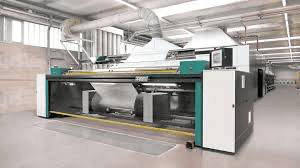
Prashant Gamatex (India)
Prashant Gamatex is one of India’s top manufacturers of warp preparation machinery and is known for producing machinery that balances performance and affordability.
What differentiates Prashant Gamatex:
Capability to handle both small and large production scales
Flexible machine configuration based on mill requirements
Strong presence in denim and cotton warp sizing
Recent Innovations & Industry News:
Rollout of digitally controlled size boxes with enhanced temperature consistency.
Improvements to high-capacity slasher sizing lines offering energy savings via optimized drying.
Introduction of compact and economical sizing units for smaller weaving operations.
The company has gained visibility at national exhibitions such as India ITME for incremental upgrades driven by mill feedback.
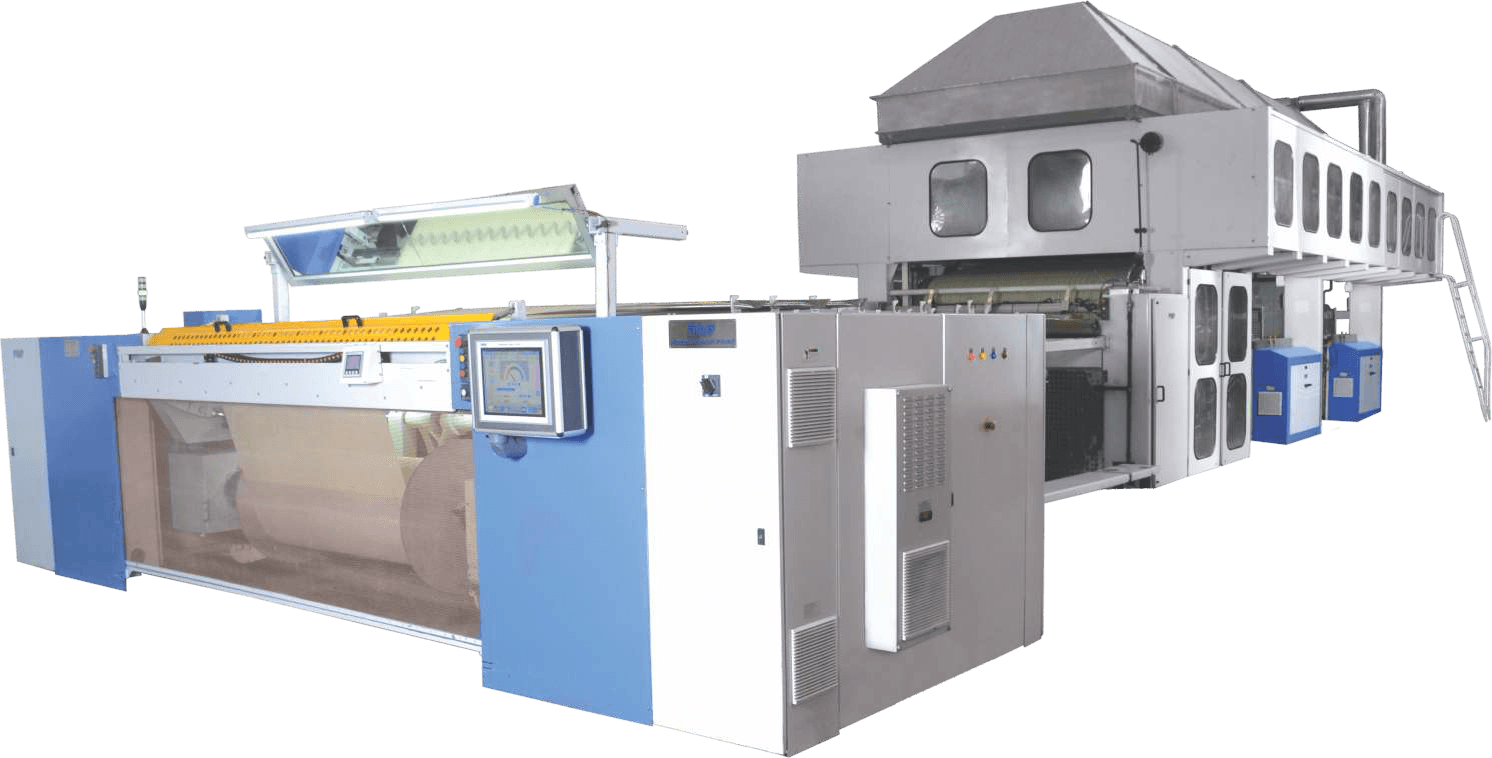
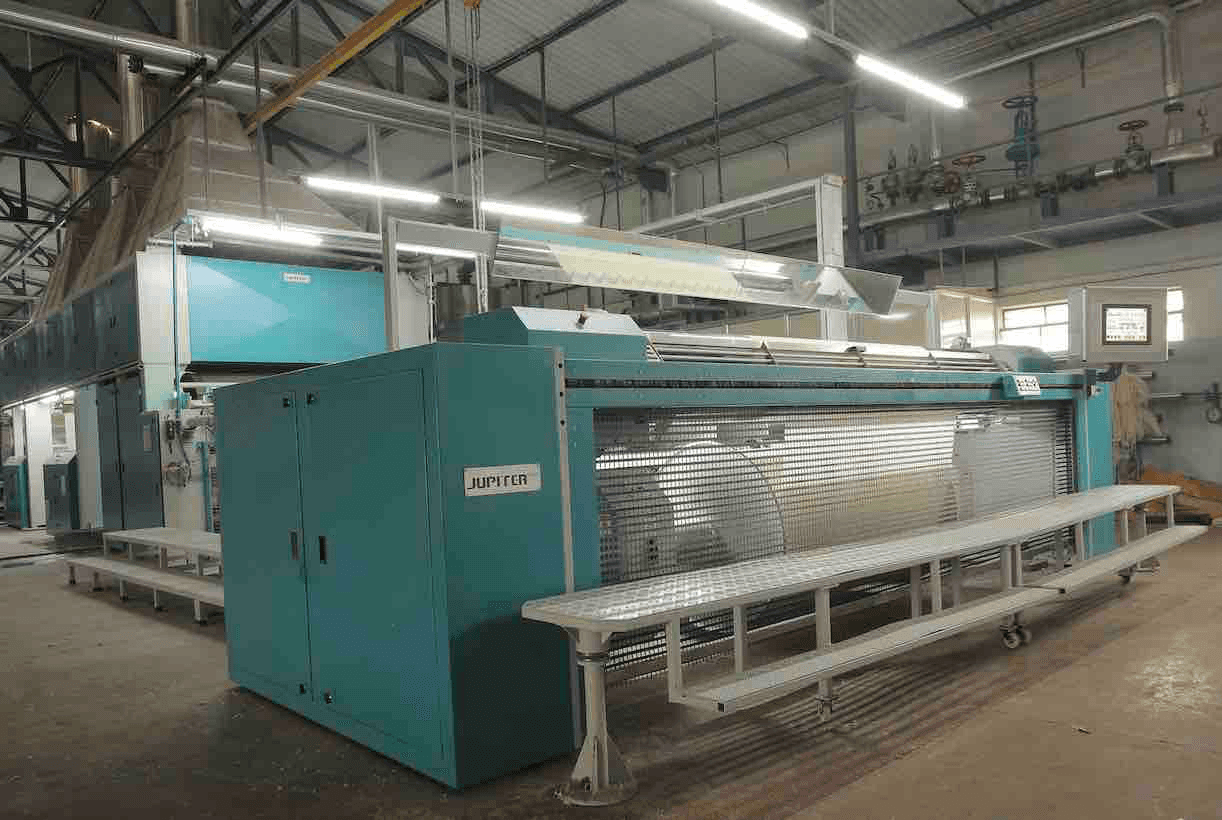
Jupiter Comtex Pvt Ltd (India)
Jupiter Comtex is an Ahmedabad-based manufacturer of weaving-preparatory machinery (warping, sizing, dyeing) operating since the 1970s; it supplies PLC/servo-driven high-speed sizing and warping lines for denim and non-denim mills.
What differentiates Jupiter Comtex:
Proven, decades-long experience in warping and sizing equipment manufacturing.
Wide product range: sectional warpers, high-speed sizing machines, indigo dyeing-cum-sizing plants and accessories (beam presses, comb assemblies).
Offers PLC/servo control and higher-automation options for throughput and consistency.
Strong domestic and export presence with after-sales service targeting denim and large weaving operations.
Recent innovations & industry activity:
Deployment of PLC/servo-controlled high-speed sizing and sectional warpers to improve speed and consistency.
Indigo dyeing + sizing plant offerings and integrated denim plant solutions.
Regular participation at major textile exhibitions (ITMA/ITMACH/ITGME) and industry awards for denim plant manufacturing.
If you want this tightened to a one-line company profile for a slide or converted into a short comparison table versus Prashant Gamatex, I will produce it in the same format.
How Important Are Sizing Chemicals with Different Sizing Machines?
Regardless of machine type, sizing chemicals must match:
Yarn count
Yarn composition
Machine drying profile
Squeezing capacity
Target add-on
Loom parameters
The interaction between textile sizing equipment and sizing formulation determines final warp performance.
To learn more about the sizing chemicals, click here.
FAQ SECTION
1. What is a textile sizing machine?
A warp-preparation system that applies protective size coatings to yarn.
2. How do sizing machines work in textiles?
By feeding warp through a size box, squeezing, drying, stretching, cooling, and rewinding.
3. Which yarns can be sized?
Spun, filament, and denim yarns.
4. Which type of sizing machine is best?
Depends on yarn type, production volume, and required control-spun lines often use single-box, denim uses multi-box.
5. Are smart or automatic sizing machines useful?
Yes - automation increases consistency, reduces energy, and improves productivity.
References
Wikipedia – Textile Sizing Machine (Historical Overview & Components),
https://en.wikipedia.org/wiki/Textile_sizing_machine
Textile School – Sizing Operation for Textiles (Machine Process Flow),
https://www.textileschool.com/1080/sizing-operation-for-textiles/
TextileListing – Sizing Operation in Textiles (Principles/Processes/Equipment),
Textile Learner – Yarn Sizing: Important Warp Preparatory Process (Machine Basics),
https://textilelearner.net/yarn-sizing-important-warp-preparatory-process/
Textile Trainer – Sizing in Weaving (Objectives of Sizing Machines),
https://textiletrainer.com/sizing-in-weaving-easy-objectives-of-sizing/
Anytester – Textile Process: Sizing Part 1 (Squeezing Mechanism),
https://www.anytester.com/textile-process-sizing-part-1.html
Textile Trainer – Techniques of Drying in Sizing Process (Drying Cylinders),
https://textiletrainer.com/techniques-of-drying-in-sizing-process/
Suntech Machine – Prevention of Sizing Loom Beam Defects (Machine Settings),
Karl Mayer Official – Warp Preparation Technology (PROSIZE® System),
Benninger Official – Sizing Machines (Now Part of Karl Mayer Group),
Toyota Industries – Textile Machinery Division (Smart Factory Systems),
https://www.toyota-industries.com/products/textile_machinery/
EFI Reggiani – Digital Textile Solutions (Prep-to-Print Integration),
https://www.efi.com/products/reggiani-digital-textile-printing/
Lakshmi Machine Works (LMW) – Textile Machinery (Sizing Lines),
Prashant Gamatex – Warp Preparation Machinery India,
ATE Enterprises – Textile Machinery (Sizing & Warping),
ITMA Official – International Textile Machinery Exhibition (Latest Innovations),
India ITME – Indian Textile Machinery Expo (Sizing Technology Trends),
JEMIT PDF – Sizing Efficiency and Cost Reduction Strategies (Machine Economics),
https://jemit.aspur.rs/archive/v3/n1/3.pdf
PMC – Performance Evaluation of Cotton Warp Sizing (Machine-Chemical Interaction),
https://pmc.ncbi.nlm.nih.gov/articles/PMC12845530/
Textile Learner – Process Control in Sizing of Warp Yarn (Viscosity/Temperature/Tension),
https://textilelearner.net/process-control-in-sizing-of-warp-yarn/
Textile Trainer – Sizing Ingredients with Their Function (Size Box Chemistry),
https://textiletrainer.com/sizing-ingredients-with-their-function/
Siam Modified Starch – Warp Sizing (Chemical-Machine Compatibility),
https://www.siammodifiedstarch.com/product/non-food/detail/Warp-Sizing
Liked it? Share it with your people.


Disclaimer
The information provided in this blog is intended solely for educational and informational purposes within the textile industry. While the content references technical concepts, sizing and desizing practices, and general chemical information, it does not constitute professional, commercial, or operational advice for any specific textile process or production environment.
Process conditions, chemical selections, and operational parameters may vary significantly across mills, machinery types, fabric constructions, and environmental constraints. Readers should always consult qualified technical professionals, internal laboratory data, and product-specific Technical Data Sheets before making any decisions related to textile processing.
Any references to Alpenol, Sizaltex, or other products are included only for contextual, educational, and illustrative purposes and should not be interpreted as endorsements, recommendations, or guarantees of performance. The authors assume no responsibility for decisions made based on the information contained herein.