What Is a Yarn?
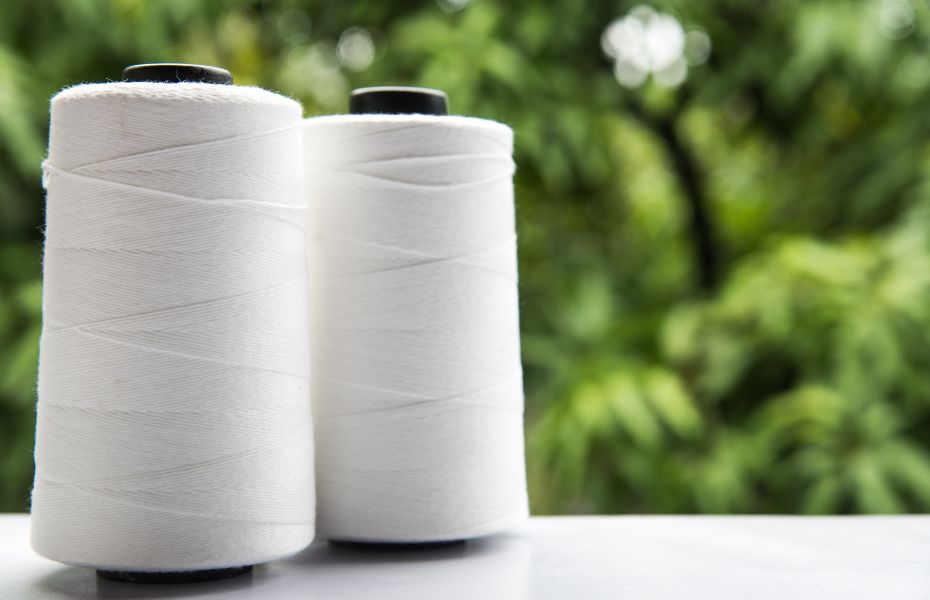
A yarn is a group of fibers or filaments twisted or assembled together to form a continuous thread. It can be:
Spun yarn (from staple fibers like cotton, viscose, polyester staple)
Filament yarn (from continuous filaments like polyester, nylon, silk)
Textured yarn (crimped filaments for stretch/softness)
Fancy yarn (decorative structures like slub, boucle, nep)
Yarn structure governs fabric strength, drape, stretch, and appearance.
Name the Different Types of Yarns Produced
1. Spun Yarns (Staple Fiber Yarns)
Made from short fibers twisted together.
Examples: cotton, viscose, wool, polyester staple, acrylic.
Characteristics:
Hairy surface
Softer hand feel
Requires sizing in weaving
2. Filament Yarns
Continuous strands made through extrusion.
Examples: polyester filament, nylon filament, silk.
Characteristics:
Smooth surface
High strength
Often used without sizing unless ultra-fine
3. Textured Yarns (DTY, ATY, FDY variants)
Filaments crimped or bulked for stretch and comfort.
Uses:
Sportswear, leggings, stretch apparel, upholstery.
4. Fancy Yarns
Slub, boucle, chenille, snow, loop yarns.
Uses:
Decorative knits, upholstery, womenswear.
5. Technical Yarns
Aramid, carbon, polypropylene, glass fiber, high-tenacity polyester.
Uses:
Industrial filtration, ropes, airbags, FR fabrics, geotextiles.
How Are Yarns Categorised?
Yarns can be categorized by:
A. Structure
Spun
Filament
Textured
Fancy
Core-spun (elastane core + cotton wrapper)
B. Fiber Composition
Natural
Synthetic
Regenerated
Blends (PC, PV, CVC, CM, Tencel blends)
C. Yarn Count (Thickness/Finest)
Measured as:
Ne (English count)
Tex / dTex / Denier
D. Twist Level
Low twist → softer
High twist → stronger but stiffer
E. End Use
Apparel
Denim
Home textiles
Industrial & technical textiles
What Is a Yarn Count (Ne)?
Ne - English Cotton Count System
It indicates how many hanks of 840 yards weigh 1 pound.
Higher Ne → finer yarn
Lower Ne → coarser yarn
Examples:
Ne 10s → coarse yarn (denim, canvas)
Ne 40s → fine shirting
Ne 60s → luxury fine fabrics
Other Systems
System | Used For | Meaning |
Denier | Filament yarns | Weight (grams) of 9,000 m |
Tex | Global standard | Weight (grams) of 1,000 m |
Metric Count (Nm) | Wool, worsted | Length (m) per gram |
Conversion matters for global sourcing and fabric design.
How to Choose the Right Yarn for a Project?
Consider these factors:
Fiber type (cotton for comfort, polyester for durability)
Yarn type (spun or filament)
Count (fine for shirts, coarse for denim)
Twist (higher for strength, lower for softness)
Fabric construction (woven vs knit)
End-use requirements (abrasion resistance, stretch, drape)
Sustainability goals
In weaving, choosing the right yarn also means ensuring it can withstand warp stress-where sizing (e.g., Alpenol technology) boosts strength and reduces breakage.
What Are the Different End Uses of Yarn?
Apparel
Cotton spun yarns → T-shirts, shirts, dresses
Polyester filament → activewear, leggings
Viscose spun → drapey womenswear
Wool → sweaters, coats
Home Textiles
Coarse cotton → towels, bedsheets
Textured polyester → curtains, upholstery
Linen → table textiles
Denim
Coarse cotton (Ne 6s-20s)
Core-spun elastane yarns for stretch denim
Technical Textiles
Aramid → fire protection
Polyester HT → industrial filtration
Polypropylene → geotextiles
Nylon filament → airbags, ropes
What Yarn Composition Serves What Kind of Utility?
Composition | Key Properties | Best For |
100% Cotton | Soft, breathable | Shirts, tees, babywear |
Polyester | Strong, wrinkle-resistant | Sportswear, linings |
PC Blends | Balance of comfort + durability | Uniforms, shirting |
PV Blends | Softness + drape | Womenswear |
Wool | Warm, elastic | Winter wear |
Nylon | High strength | Technical fabrics |
Viscose | Silky drape | Dresses |
Elastane Blends | Stretch | Athleisure, denim |
Natural vs Synthetic Yarn
Natural Yarns
Cotton, wool, linen, silk
Pros: breathable, comfortable
Cons: shrinkage, lower strength
Synthetic Yarns
Polyester, nylon, acrylic
Pros: strong, wrinkle-resistant, durable
Cons: lower breathability
Regenerated Yarns
Viscose, modal, lyocell
Balanced properties → drape, softness, absorbency.
What Is the Best Yarn for Denims?
Denim requires strong, coarse cotton yarns:
Ring-spun → premium, strong, high abrasion resistance
Open-end → economical, rougher handle
Core-spun elastane → stretch denim
In weaving denim, warp yarns undergo extreme stress. Robust sizing (where Alpenol helps with adhesion and reduced breakage) is essential for efficiency.
What Is the Best Yarn for Apparel?
Tops & T-Shirts
Combed cotton, compact-spun
Viscose/modal for drape
Polyester blends for moisture management
Shirting
Fine cotton: Ne 40s-80s
Polyester-cotton blends
Lyocell shirtings
Activewear
Polyester filament
Nylon filament
Spandex blends
Winterwear
Wool, acrylic, specialty knits
Best Yarn for Different Technical Textile Uses
Application | Recommended Yarn |
Fire-resistant uniforms | Aramid (Nomex/Kevlar) |
Airbags | Nylon 6,6 high-tenacity filament |
Geotextiles | Polypropylene & Polyester HT |
Industrial filters | Polyester HT, glass fiber |
Medical textiles | Polyester microfilament, spunlace substrate |
Ropes & nets | Nylon & PP filament |
These yarns often undergo specialized finishing or protective coatings; woven versions may still benefit from minimal sizing for loom compatibility.
What Count of Yarn Is Used for What Purpose?
Yarn Count | Use Case |
Ne 6s-12s | Denim, canvas, industrial cloth |
Ne 16s-30s | Bottom-weight apparel, sheeting |
Ne 40s-60s | Formal shirting |
Ne 80s-120s | Luxury shirting |
Denier 20D-80D | Lightweight polyester fabrics |
Denier 100D-300D | Drapery, upholstery |
High-tenacity filaments | Technical textiles |
Eco-Friendly and Sustainable Yarns
Fiber Options
Organic cotton
Recycled polyester (rPET)
Hemp
Linen
Lyocell (Tencel)
Bamboo (mechanically processed)
Certifications
GOTS (Global Organic Textile Standard) → organic fibers, low-impact processing
OEKO-TEX Standard 100 → safety from harmful chemicals
GRS (Global Recycled Standard) → recycled content verification
B-Corp & Bluesign → environmental responsibility
Modern sizing solutions also contribute to sustainability: Alpenol formulations reduce chemical add-on, decrease wastewater load, and improve weaving efficiency-supporting mills’ eco-friendly goals.
FAQs
1. What is yarn?
A continuous strand of fibers or filaments used for fabric production.
2. What are the main types of yarn?
Spun yarn, filament yarn, textured yarn, fancy yarn, technical yarns.
3. How do I choose the right yarn?
Consider count, fiber type, structure, end-use, and fabric construction.
4. What is Ne count?
A yarn fineness measurement: higher Ne = finer yarn.
5. Which yarns are best for sustainability?
Organic cotton, recycled polyester, linen, hemp, lyocell.
References
Sewport: Yarn Types Guide (Spun, Filament, Textured, Fancy),
https://sewport.com/fabrics-directory/lyocell-fabric
TextileLearner: Yarn Sizing & Structure (Count/Twist),
https://textilelearner.net/yarn-sizing-important-warp-preparatory-process/
TextileSchool: Yarn Manufacturing (Spinning Processes),
https://www.textileschool.com/206/basic-weaving-operations/
TextileTrainer: Sizing for Yarn Types (Cotton/Viscose/Blends),
https://textiletrainer.com/sizing-in-weaving-easy-objectives-of-sizing/
Fibre2Fashion: Yarn Count Systems (Ne, Tex, Denier Conversion),
https://www.fibre2fashion.com/industry-article/3703/identification-of-type-of-size-in-woven-fabrics
Wikipedia: Yarn (Structure, Twist, Classification),
https://en.wikipedia.org/wiki/Yarn
Polyestermfg: Best Sizing for Yarn Types (PC/PV Blends),
https://www.polyestermfg.com/what-is-the-best-sizing-chemical-for-textile/
GOTS Official: Organic Yarn Standards (Cotton/Wool),
OEKO-TEX: Yarn Certification (STANDARD 100),
https://www.oeko-tex.com/en/our-standards/
Lenzing TENCEL: Lyocell Yarn Properties (Regenerated Cellulose),
https://www.tencel.com/fibers/benefits/sustainability
Sewport Lyocell: Yarn for Apparel (Modal/Viscose Comparison),
https://sewport.com/fabrics-directory/lyocell-fabric
TextilesBar: Viscose/Modal/Lyocell Yarns (Composition),
https://textilesbar.com/difference-in-viscose-modal-and-lyocell-fiber/
VNPolyFiber: Rayon/Modal/Lyocell/Tencel Yarns,
https://vnpolyfiber.com/viscose-rayon-modal-lyocell-tencel/
PMC: Cellulose Yarn Properties (Strength/Absorption),
https://pmc.ncbi.nlm.nih.gov/articles/PMC6572457/
PMC: Blended Yarn Sizing,
https://pmc.ncbi.nlm.nih.gov/articles/PMC10820382/
AlbiniYarns: Giza Cotton Yarns (Ne 40s-120s Shirting),
https://www.albiniyarns.com/en/cataloghi/giza-45-giza-87-cottons/
CashmereSpecialist: Premium Cotton Yarns (Fine Counts),
https://www.cashmerespecialist.com/premium-cotton-giza-45/
EtonShirts: Giza 45 Yarn for Shirting,
https://www.etonshirts.com/in/en/journal/guides/giza-45-cotton
Persistence: Yarn Sizing Market (Technical Fibers),
https://www.persistencemarketresearch.com/market-research/textile-sizing-chemicals-market.asp
Liked it? Share it with your people.


Disclaimer
The information provided in this blog is intended solely for educational and informational purposes within the textile industry. While the content references technical concepts, sizing and desizing practices, and general chemical information, it does not constitute professional, commercial, or operational advice for any specific textile process or production environment.
Process conditions, chemical selections, and operational parameters may vary significantly across mills, machinery types, fabric constructions, and environmental constraints. Readers should always consult qualified technical professionals, internal laboratory data, and product-specific Technical Data Sheets before making any decisions related to textile processing.
Any references to Alpenol, Sizaltex, or other products are included only for contextual, educational, and illustrative purposes and should not be interpreted as endorsements, recommendations, or guarantees of performance. The authors assume no responsibility for decisions made based on the information contained herein.