RESOURCES · TECHNICAL
Compound sizing against a conventional recipe
What actually changes when a mill stops blending on the floor.

The problem with blending on site
A conventional size recipe is assembled at the mill. Starch from one supplier, a binder from another, a lubricant on top, weighed by whoever is on shift that day. Each of those is a variable, and variables compound.
When a beam runs badly, the first question is always which one moved. Usually nobody can say, because nothing was measured at the point it mattered.
What a compound grade changes
A compound grade arrives cooked to a fixed recipe. The mill weighs one product. Viscosity and film behaviour stay where they were on the last beam, because the recipe was set before the material left our plant.
The mill weighs one product instead of four, and the sizing box behaves the same way every shift.
Desizing and the effluent plant
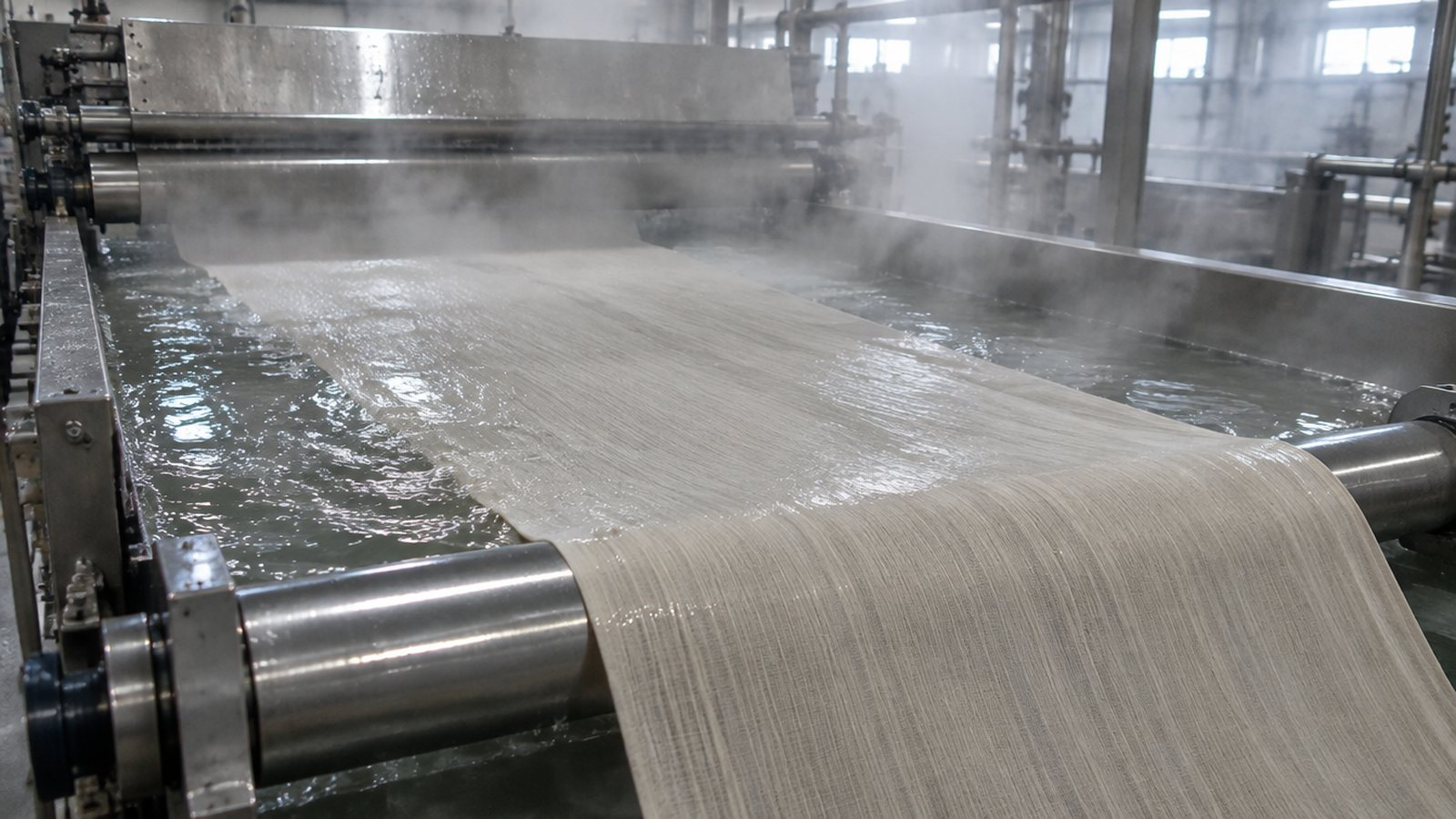
Sizing is only half the job. What comes off the fabric decides what the treatment plant has to deal with. Our compound grades are built on native maize starch modified in our own plant, and the water soluble range desizes in hot water at 80 to 90 degrees.
Choosing a grade
Grade selection follows the count, the fibre and the loom. Our technical team reviews the setup and recommends a starting point, then adjusts it against your own trial results rather than against a published range.
MENTIONED IN THIS ARTICLE
Compound Sizing Agents
The general warp sizing grade, built on modified maize starch.